


Health
Keep Our New Health Systems
Community health workers, neighborhood clinics, and real-time data bolstered America’s COVID-19 response. They could now form the cornerstone for more equitable health care.
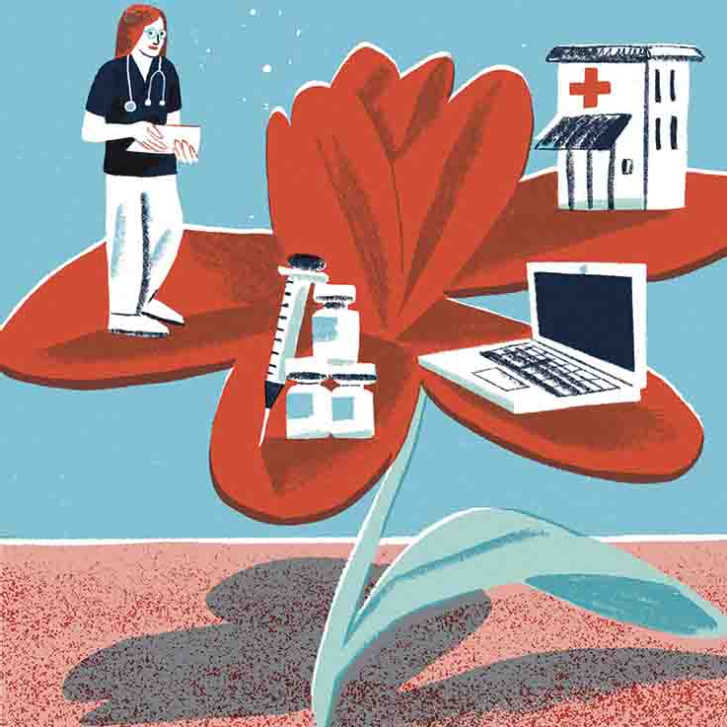
Community health workers, neighborhood clinics, and real-time data bolstered America’s COVID-19 response. They could now form the cornerstone for more equitable health care.

Through place-based work, we have learned new ways to partner, collect data, and invest to bring systemic change and eliminate structural inequalities in our communities.

Corporate donations tend to generate supportive regulatory comments from their nonprofit recipients.

Researchers find that relationship-building exercises between troubled students and their teachers cut recidivism.

Crystal Hayling of The Libra Foundation and Sonal Shah of The Asian American Foundation discuss how their organizations are transforming the way race is discussed in America and how to improve understanding about racial concerns that will lead to a more inclusive society. Produced in partnership with The Pew Charitable Trusts.
Susan Urahn of The Pew Charitable Trusts and Sarah Rosen Wartell of the Urban Institute discuss the many challenges facing American democracy—and ways to find common ground in a polarized environment. Produced in partnership with The Pew Charitable Trusts.
The passage of the Infrastructure Investment and Jobs Act gives those of us in the nonpartisan public policy space reason to be optimistic.
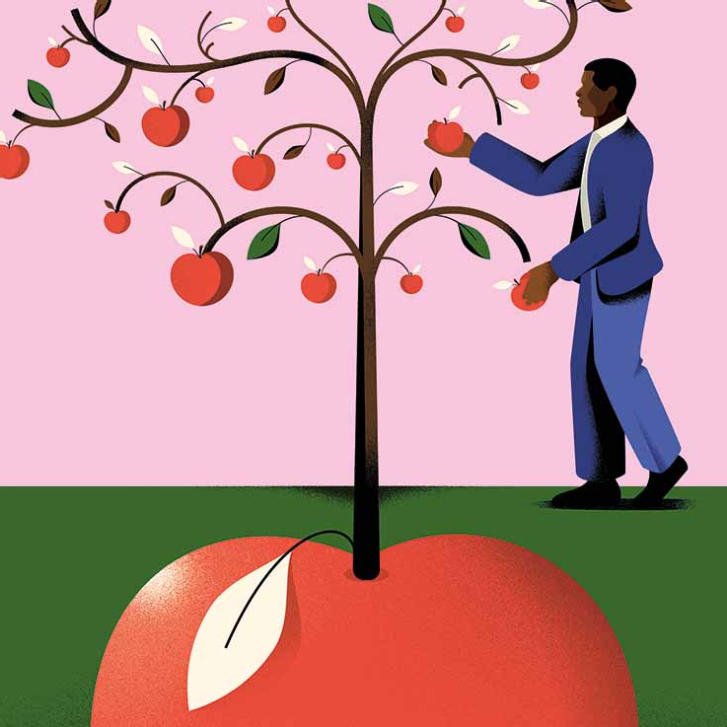
Endowments are often lacking for social change nonprofits—even more so for Black-led organizations. By closing this gap, we could radically transform how we confront society’s most pressing issues.
Open-access to this article made possible by The Bridgespan Group.
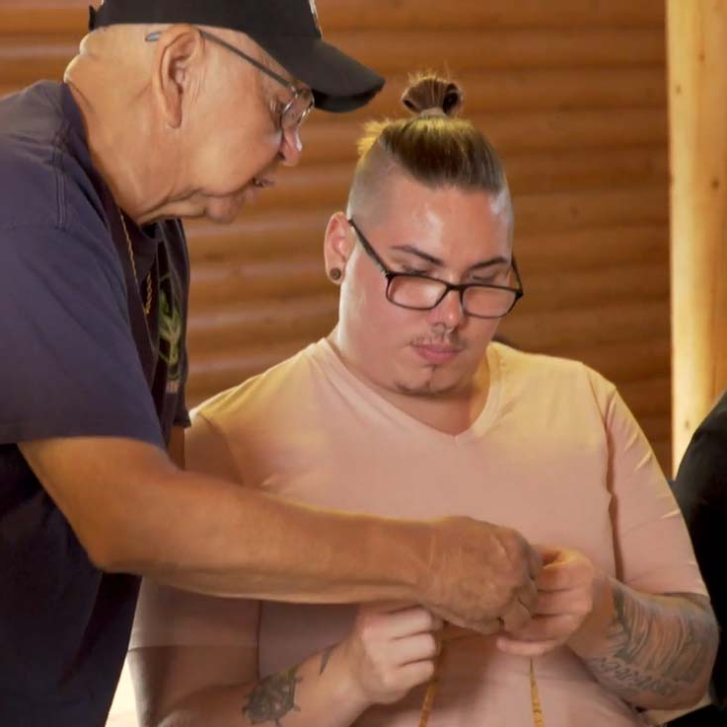
How five challenging realities are thwarting progress in public health, and how the sector can build strength to advance health equity, prepare for future pandemics, and face other emerging challenges.
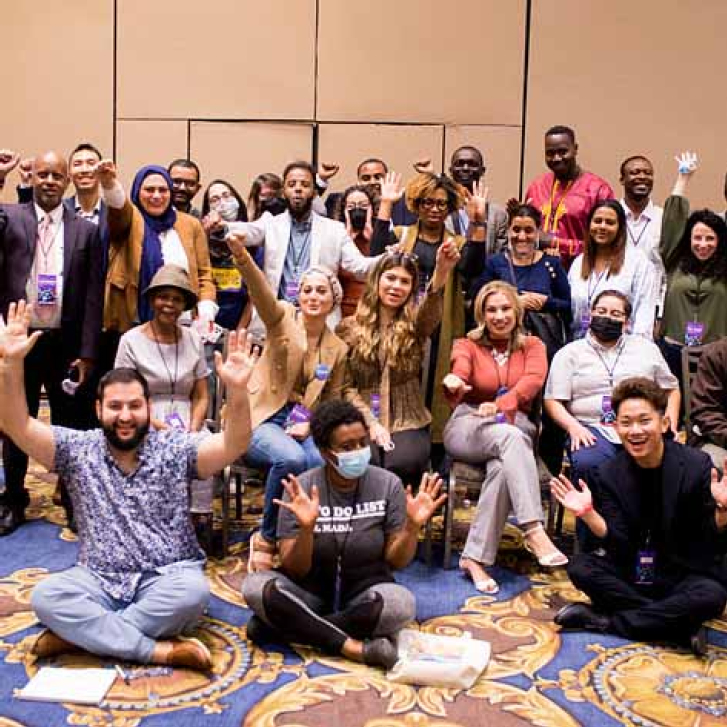
Philanthropy can invigorate our communities and our democracy by investing in refugee leadership and civic participation.